
International Women's Day 2026: Alumnae leading hospitality

To mark International Women’s Day, we spoke with three BMIHMS alumni who are leading across the global hospitality industry.
From Cairo to Bangkok to Australia, Sonja Vodusek, Hope Lang, and Tash Tobias share insights from their leadership journeys and reflect on how they are helping shape a more balanced, people-focused future for the next generation in hospitality.
To mark International Women’s Day, we spoke with 3 Blue Mountains International Hotel Management School (BMIHMS) alumnae who are leading across the global hospitality industry. From Cairo to Bangkok to Australia, Sonja Vodusek, Hope Lang and Tash Tobias share insights from their leadership journeys and reflect on how they are helping shape a more balanced, people-focused future for the next generation in hospitality.
Sonja Vodusek (Class of 1994)
Chief Operating Officer, ORA Hospitality in Cairo
Sonja is creating a more balanced and sustainable future for the next generation of women in hospitality, while continuing to champion performance-driven, people-focused leadership. The leadership philosophy that Sonja shares today was shaped not only through years of industry experience, but also moulded during her time at BMIHMS, where studies focus on global perspectives, operational excellence and people-focused management.
We asked Sonja how she is creating a more balanced future for the next Generation in Hospitality.
“Balance starts with identity, purpose and culture. Identity comes first. If you do not know who you are, what you value and what success genuinely means to you, you will end up chasing someone else’s version of it. When identity is clear, decisions become clearer. What roles to accept. When to push. When to say no. What kind of leader do you want to be. Success looks different for each of us, and that is perfectly fine. Purpose gives direction to that identity. It is the why behind the work. It is what keeps you steady when the pace accelerates or the pressure rises.
When you are clear on your purpose, you will make choices with intention rather than reaction. Identity anchors, you and your purpose propel you. Even when both identity and purpose are strong, a supportive work environment is essential. People should feel that they can genuinely be themselves without needing to fit a mould. A healthy leadership culture allows flexibility without judgement, respects life outside work and recognises performance through results rather than presenteeism. When identity and purpose are clear internally, and culture supports them externally, real balance becomes possible.
Capability building is equally important in building confidence. Understanding all aspects of the business gives leaders a stronger voice and more career choices. When capability expands, balance becomes easier because you are leading from strength, not constantly having to prove yourself. Be comfortable feeling uncomfortable: this is where you learn the most. Believe me! My role now is to widen that pathway. Sponsoring talent, building capability and shaping environments where authenticity, purpose and performance can coexist. That, to me, is how we create a more balanced future for the next generation in hospitality.”
Hope Lang Class of 2005
Senior Director Operations (South East Asia), Hilton in Bangkok
Hope has over 15 years of senior leadership experience, successfully leading large, multi-property teams, driving operational excellence and delivering strong financial performance across competitive markets. The leadership philosophy that Hope shares today was shaped not only through years of industry experience, but also moulded during her time at BMIHMS, where studies focus on global perspectives, operational excellence and people-focused management.
We asked Hope what has helped her lead with both strength and empathy in the fast-paced hospitality environment.
““Leading with a balance of strength and empathy is vital in hospitality and a cornerstone of my leadership style. This approach, which combines firm direction with genuine connection, has been found to boost team motivation, retention and guest satisfaction amid the industry’s high-pressure demands. My leadership style is characterised by a set of traits and a structured skill set that I have developed or defined during my career.
These include setting decisive standards, actively listening to concerns from all levels of leadership, providing clear feedback with recognition and having strategic vision both in times of crisis and during periods of growth. Team members will continually look to leaders who can clearly articulate a strong vision while also demonstrating compassion for their individual roles and personal challenges.”
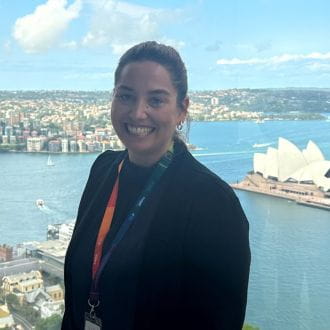
Tash Tobias (Class of 2005)
CEO, Salter Brothers Hospitality in Australia
Tash shares her insights into the skills that she uses in her leadership of complex and large teams. The leadership philosophy that Tash shares today was shaped not only through years of industry experience, but also moulded during her time at BMIHMS, where studies focus on global perspectives, operational excellence and people-focused management.
Tash has also provided her insights into leading with strength and empathy in a variety of industries, including hospitality, travel and local government.
“What has helped me most as a leader is being very clear that strength and empathy are not opposites, particularly in hospitality, where pace is relentless, and the human stakes are high. Strength comes from clarity. Clear standards, clear expectations and clear decisions create momentum and trust. In a fast-moving environment, people want to know where they stand and what “good” looks like. I try to be decisive, commercially grounded and consistent because uncertainty is far more destabilising than tough calls made well.
Empathy comes from proximity. I spend time in our hotels, with our teams, and listening properly, especially when things aren’t going well. Hospitality is emotional work: sometimes unsociable hours, guest pressure, and constant change. Acknowledging that reality, without lowering the bar, is critical. You can be demanding and deeply human at the same time. What’s helped me balance the two is remembering that empathy doesn’t mean avoiding accountability. It means understanding context before acting. It means asking why something is happening, not just what. And it means supporting people through change, not shielding them from it.
I also focus heavily on systems and process. When the basics are right tools, clarity, and structure, it removes unnecessary stress and allows people to do their best work. That, in itself, is an act of empathy. Ultimately, I lead the way I would want to be led: with honesty, pace, respect and care. Hospitality is a people business. If you look after your people properly, they will look after your guests and the results follow.”
Discover how BMIHMS continues to shape the next generation of hospitality leaders and explore where a career in hospitality can take you.
Related articles


