
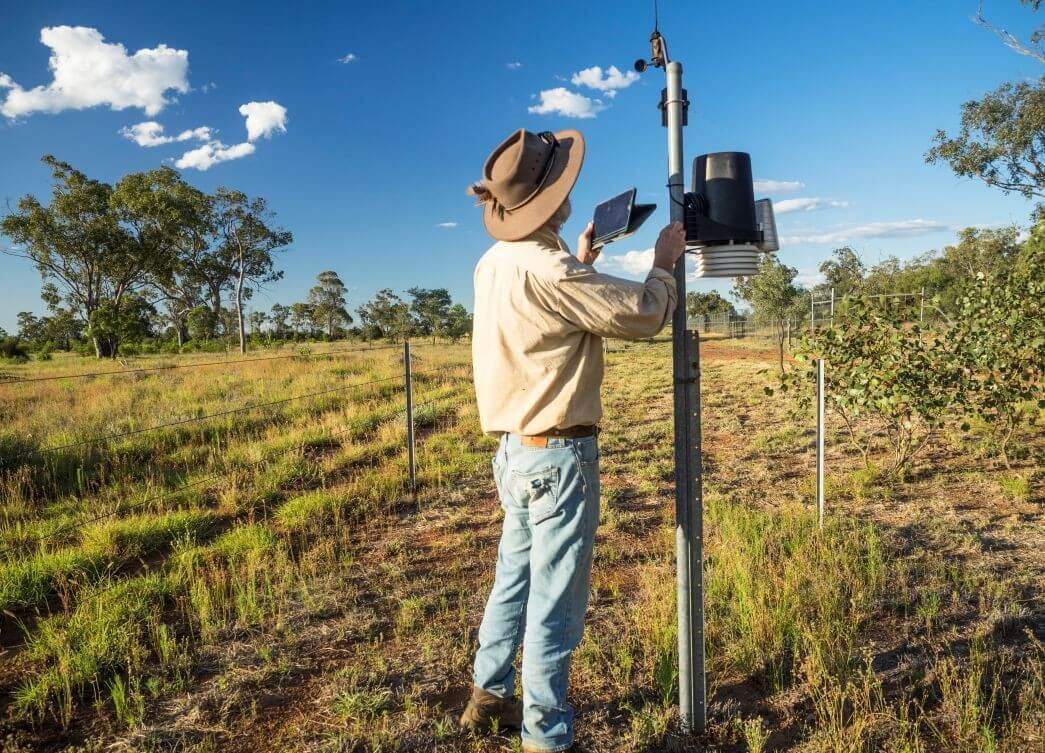
What is a Professional Doctorate (Living Systems Tourism & Technology)?
The Professional Doctorate (Living Systems Tourism and Technology) is a higher degree by research designed for master’s students seeking to shape the future of visitor economies through innovation, sustainability and technology and become leaders in tourism, hospitality and enabling technologies. Focused on regenerative and Living Systems Tourism and Technology, the program combines advanced research with professional practice to explore how emerging technologies, environmental stewardship and changing visitor expectations are transforming tourism destinations and experiences. From smart tourism and destination resilience to regenerative tourism, digital visitor experiences and sustainable development, you will investigate innovative approaches that create lasting value for communities, businesses and the environment.Learning outcomes
- Demonstrate systematic and critical understanding in the profession by planning and generating a substantial and original contribution that advances scholarship for professional practice.
- Synthesise, apply, and analyse existing and new knowledge using critical thinking, digital literacy and problem solving to develop new concepts for advanced professional practice.
- Critically evaluate wide variety of research approaches and methodologies and select an appropriate research methodology and method(s) to conduct your research project.
- Plan and execute ethical research that demonstrate the capacity to scope, design, and conduct research projects independently.
- Use appropriate and coherent communication skills to report, present, publish and disseminate research data and findings to peers and the community.
- Exhibit autonomy, authoritative judgement and leadership in workplace research and advanced professional practice.
This course is delivered by Torrens University Australia Ltd, ABN 99 154 937 005, RTO 41343, CRICOS 121393E.
*For more details on international student study options.

Career opportunities
Graduates of the Professional Doctorate (Living Systems Tourism and Technology) are equipped to lead innovation across tourism, hospitality and destination development through research-informed strategy and sustainable practice. By combining doctoral-level research with professional experience, graduates develop the expertise to influence tourism policy, strengthen destination resilience and create technology-enabled visitor experiences that respond to changing industry and community needs.
The qualification is ideal for professionals seeking to shape the future of tourism through sustainable development, smart technologies and evidence-based innovation. As the visitor economy continues to evolve, graduates will be well positioned to lead destination transformation, influence industry strategy and contribute original research that supports resilient communities, responsible tourism and long-term economic growth.

Subjects and units
Delivered both on campus and online, the Professional Doctorate (Living Systems Tourism and Technology) comprises five core subjects, three electives and 16 thesis units, totalling 240 credit points. The course combines advanced research training with specialised study in Living Systems Tourism and Technology and the completion of an independent research thesis. The course involves 20–30 hours of study per week, comprising 2–3 hours of facilitated study, 2–3 hours of independent research and 16–24 hours of self-directed study.
Core subjects
-
Critical Literature Review | RES611
-
Developing the Research Proposal | RES612
-
Methodology and Research Design | RES613
-
Preliminary Research Thesis | RES614
-
Contemporary topics in Living Systems Tourism and Technology | RES625
Requirements
Elective subjects
-
Innovation Creativity and Entrepreneurship | MGT607
-
Business Decision Analytics | MGT602
-
Technology Strategy | MGT614
-
Design and Business Strategy | DSG404
-
Service Design | DSG405
-
Design for Social Innovation | DSG501
-
User Experience Design | DID602A
-
Multi-Platform Experience Design | DID603A
-
Design Studio | DSG406
-
Open Studio | DSG502
-
Design Leadership | DSG503
-
Advanced Design Studio | DSG504
-
User Research | DSG407
-
Technology and Education | TED403
-
Design Thinking | EEDUSD402
-
Digital Health and Informatics | DHI401
-
Digital Health Management | DHI402
-
Advanced Health Informatics | DHI502
-
Advanced Therapeutic Communication | ATC401
-
Generative AI in Practice | BAN403
-
Deep Learning | DLE602
-
Statistics and Applied Analytics | STA601
-
Distributed Development | DDE602
-
Data Modelling and Database Design | MIS602
-
Machine Principles | MLN601
-
Foundations in Business Analysis | BANASD600
-
Data Analytics in Business | BANASD601
-
Visual Analytics and Storytelling | BANASD602
Thesis subjects
-
Thesis Unit | THE601 to THE616

Research project
Through independent research supported by expert supervision, you will develop advanced research capability while examining complex issues relating to destination management, tourism innovation, sustainability, community wellbeing and technology-enabled visitor experiences. Your research will generate original knowledge that informs industry practice, influences tourism policy and supports resilient, future-focused tourism ecosystems. To be awarded the Professional Doctorate (Living Systems Tourism and Technology) you will require a satisfactory examination of your final thesis and portfolio, and award recommendation from two examiners.
Entry details
Fees
Check the domestic course fee schedule for the cost of your course.
FEE-HELP
Eligible Australian students may choose to defer some, or all, of their tuition fees through FEE-HELP, a loan scheme repaid through the tax system based on income.
Scholarships
We're serious about supporting your studies from start to success, which is why we offer partial scholarships for both international and domestic students undertaking HDR. Please discuss these options with international and domestic admissions on application. For more information, please email HDR@torrens.edu.au
Admission criteria
Before you get started with your course application, check you meet all the requirements listed below.
Applicants with formal study: Direct Entry
A person may be considered for direct entry admission to study for the degree of Professional Doctorate (Living Systems Tourism and Technology) if they have been awarded from the University or other approved institution, based on prior cognate learning in the discipline of choice:
a) a relevant three or four-year Bachelor’s degree with a distinction average GPA; or
b) a relevant Honours degree; or
c) a relevant Master’s degree by coursework with a credit average GPA.
AND
Seven years’ practice at an advanced level in a position of responsibility or five years practice at an executive level and currently in a position of influence in the chosen profession,
OR
An extensive track record of executive achievement in the workplace or in professional practice.
Applicants with work and life experience
Students without a Master's degree may pathway to the Professional Doctorate (Living Systems Tourism and Technology) with RPL based on:
Seven years' practice at an advanced level in a position of responsibility or five years' practice at an executive level and currently in a position of influence in the chosen profession in the area of cognate learning discipline;
OR
An extensive track record of executive achievement in the workplace or in professional practice in the cognate learning discipline;
AND
A discipline-specific portfolio based on competency-based learning and non-formal learning;
AND
A letter of recommendation from two most recent employers.
Guaranteed pathway and Recognition of Prior Learning
If you have already completed a qualification or gained skills through life or work experience, you may be able to credit this against your degree with us. Check information about Recognition of Prior Learning and Course Credit transfer. We also offer pathway opportunities to further your learning.Fees
Check the international course fee schedule for the cost of your course. Onshore international students requiring a student visa should choose campus-based / blended options.
Fee payment
Course fees can be paid across three study periods. Each instalment to be paid before the beginning of the academic stage census date.
Scholarships
We're serious about supporting your studies from start to success, which is why we offer partial scholarships for both international and domestic students undertaking HDR. Please contact the HDR Office at hdr@torrens.edu.au for more information.
Admission criteria
Before you get started with your course application, check you meet all the requirements listed below.
Applicants with formal study: Direct Entry
A person may be considered for direct entry admission to study for the degree of Professional Doctorate (Living Systems Tourism and Technology) if they have been awarded from the University or other approved institution, based on prior cognate learning in the discipline of choice:
a) a relevant three or four-year Bachelor’s degree with a distinction average GPA; or
b) a relevant Honours degree; or
c) a relevant Master’s degree by coursework with a credit average GPA.
AND
Seven years’ practice at an advanced level in a position of responsibility or five years’ practice at an executive level and currently in a position of influence in the chosen profession,
OR
An extensive track record of executive achievement in the workplace or in professional practice.
Applicants with work and life experience
Students without a Master's degree may pathway to the Professional Doctorate (Living Systems Tourism and Technology) with RPL based on:
Seven years' practice at an advanced level in a position of responsibility or five years' practice at an executive level and currently in a position of influence in the chosen profession in the area of cognate learning discipline;
OR
An extensive track record of executive achievement in the workplace or in professional practice in the cognate learning discipline;
AND
A discipline-specific portfolio based on competency-based learning and non-formal learning;
AND
A letter of recommendation from two most recent employers.
Guaranteed pathway and Recognition of Prior Learning
If you have already completed a qualification or gained skills through life or work experience, you may be able to credit this against your degree with us. Check information about Recognition of Prior Learning and Course Credit transfer. We also offer pathway opportunities to further your learning.How to apply

Get started
Read through the admissions criteria and ensure you meet the entry requirements.

Apply
It’s easy! Apply online below or contact us and we can help on 1300 575 803.

Offer
We’ll contact you shortly after to confirm your details and help you through the rest of the process.
Similar courses

Professional Doctorate (AI Futures)

Professional Doctorate (Applied Research)

Professional Doctorate (By Prior Works)

Professional Doctorate (Design Innovation and Creative Practice)

Want to find out more?
Share in the knowledge and experience of active researchers developing new knowledge and innovative practice for industry.